
Tech Gifts for Dad That Don't Whisper "You're Old" they embrace it!
By: Lisa Cini
Here's the trap I watch families fall into every Father's Day.
They walk into the store, they find the "senior" aisle (retail's polite way of saying we've stopped expecting you to look cool), and they buy something that solves a problem. A grab bar. A giant-button phone. A pill organizer roughly the size of a tackle box. All practical. All helpful. And every single one of them carries the same quiet message: we've decided you're old now.
Nobody has ever felt younger receiving a grab bar.
I've spent more than thirty years designing spaces and choosing products for people as they age, and lately I've been doing it for my own dad, which is a humbling reminder that I know all the theory and still have to argue with a stubborn man about his footwear. Here's what I know in my bones. The goal was never to keep Dad safe. The goal is to keep Dad himself. The best gift isn't the one that does the most for him. It's the one that hands something back: his footing, his place at the table, his independence, his dignity.
So this year, skip the gift that says "be careful." Give the one that says "go." Here's what's actually worth buying in 2026, and why each one earns its place.
To be clear, my dad is 88 and will turn 89 this fall. Every passing month seems to be exponentially more difficult and with that said, I just want him to keep on living while he is alive.

Shoes That Keep Him on His Feet
Falls are the thing nobody wants to talk about, and everybody lies awake worrying about. The good news is that the right shoe offers more stability than almost anything else in this guide, and the best ones finally look like something his grandson would wear rather than something issued to him.
This one's personal for me. My dad has neuropathy, which means his feet don't always send the memo when something's wrong, and a numb or painful foot crammed into the wrong shoe is a fall waiting for a place to happen. My father buys shoes that are several sizes too big for him to solve the problem, which recently cost him a trip and fall, resulting in 2 broken ribs! So, I've done a frankly embarrassing amount of research on what goes on his feet.
The Hoka Clifton 10 is my easy first recommendation. It has a wide toe box so his foot isn't crammed, maximal cushioning, and a rocker sole that smooths out his stride and takes pressure off tired joints. Usually $145-$155, often on sale for around $124. The Brooks Ghost Max 3 does the same job with plush cushioning and a rocker sole, and it comes in multiple widths, which matters far more than people realize ($120 to $160). And for neuropathy or diabetic feet specifically, which is my dad's exact situation, Orthofeet (the Kita, Edgewater, and Coral models) is built for it: stretchy uppers, seamless interiors so nothing rubs a spot he can't feel, and extra depth, $120 to $180.
The trick with a numb or painful foot is a wide toe box that gives his toes room without letting the shoe slop around loose. Room without slop. That balance is the whole game.
One newer name worth knowing is Cadense. These were one of the products that stood out to me at CES this year, and not because they're crammed with sensors. They aren't. They're built for the man who's started catching his toe and dragging his foot, with raised pads along the sole and a rocker that glides over uneven ground instead of snagging on it. If you've noticed Dad shuffling or shortening his stride, this is a smarter buy than a flashier running shoe.
SHOPPING LINKS:
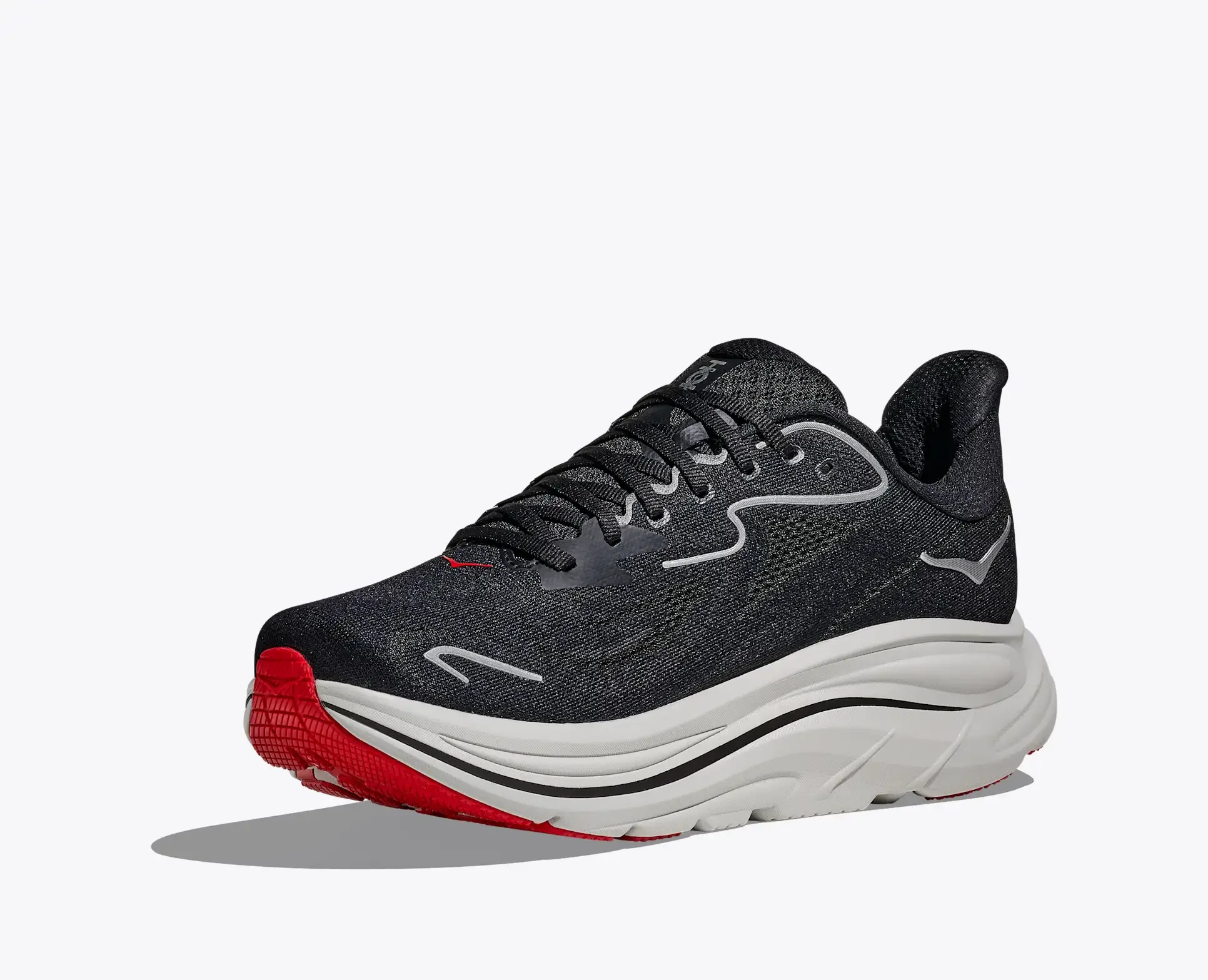
HOKA CLIFTON 10
A Cane He'll Actually Want to Carry
A cane only helps if he uses it, and let's be honest about the odds: most men would sooner take the fall than carry something that makes them feel like a patient. So don't buy him a medical device. Buy him a prop that makes him feel like a gentleman.
A carbon fiber cane is lightweight, strong, and sleek, modern enough that it reads as a choice rather than a concession ($80 to $150). A premium wooden derby or Fritz-handle cane from a maker like Royal Canes or Asterom goes the other direction entirely, with beautiful wood grain and a curved handle that's genuinely comfortable in the hand, the kind of thing that actually gets compliments at church ($70 to $140). And for the man who's at every grandkid's soccer game and graduation, a folding cane that converts into a seat is the sleeper hit of this whole list, a walking aid and a chair in one, for when there's nowhere left to sit and he's too proud to ask ($40 to $90).
The cane isn't the gift. Walking in without scanning the room for a wall to lean on, that's the gift.
SHOPPING LINKS:
Royal Canes (wooden derby / Fritz handles)
Asterom (handmade wooden canes)
(Carbon fiber canes and folding seat-canes are category picks rather than single products — easiest to link as an Amazon search.)

ROYAL CANES
Hearing That Brings Him Back to the Table
This is the one most people skip, and it's the one I'd put at the top.
Watch a man with hearing loss at a family dinner. He laughs a half-beat behind everyone else. He stops asking people to repeat themselves and just goes quiet. He'll swear up and down, and he can hear you perfectly, usually while answering a question nobody actually asked. We read all of this as "Grandpa's tired," when really he's worn out from straining to follow a conversation he can no longer catch. Left alone, that strain quietly pulls people to the edge of the room, and then out of it. Isolation is about the last thing we want for the people we love as they get older.
Here's what's changed. You no longer need an expensive clinic visit to fix it. Over-the-counter hearing aids have gotten genuinely good. The Jabra Enhance Select 700 is the consensus best overall pick this year, largely due to its remote follow-up support. Most people need a few adjustments, and having a real human to call makes all the difference. Sony and Eargo make nearly invisible in-ear options for the man who doesn't want anything showing. The Lexie B2 Plus is the value pick with an app that walks him through setup, and Audien drops the entry price low enough for a stubborn first-timer to test the water without committing. Most offer a free online hearing check first, so you can gauge fit before you spend.
If a full hearing aid feels like one bridge too far, TV Ears or a set of Sennheiser wireless TV headphones solves the single most contested issue in the house. That escalating standoff over the television volume becomes the national anthem of every living room after a certain age, and this gives him crystal-clear dialogue at his own volume while everyone else keeps their hearing ($100 to $250).
Of everything here, this is the gift most likely to give you your father back at the dinner table.
SHOPPING LINKS:
Jabra Enhance Select 700
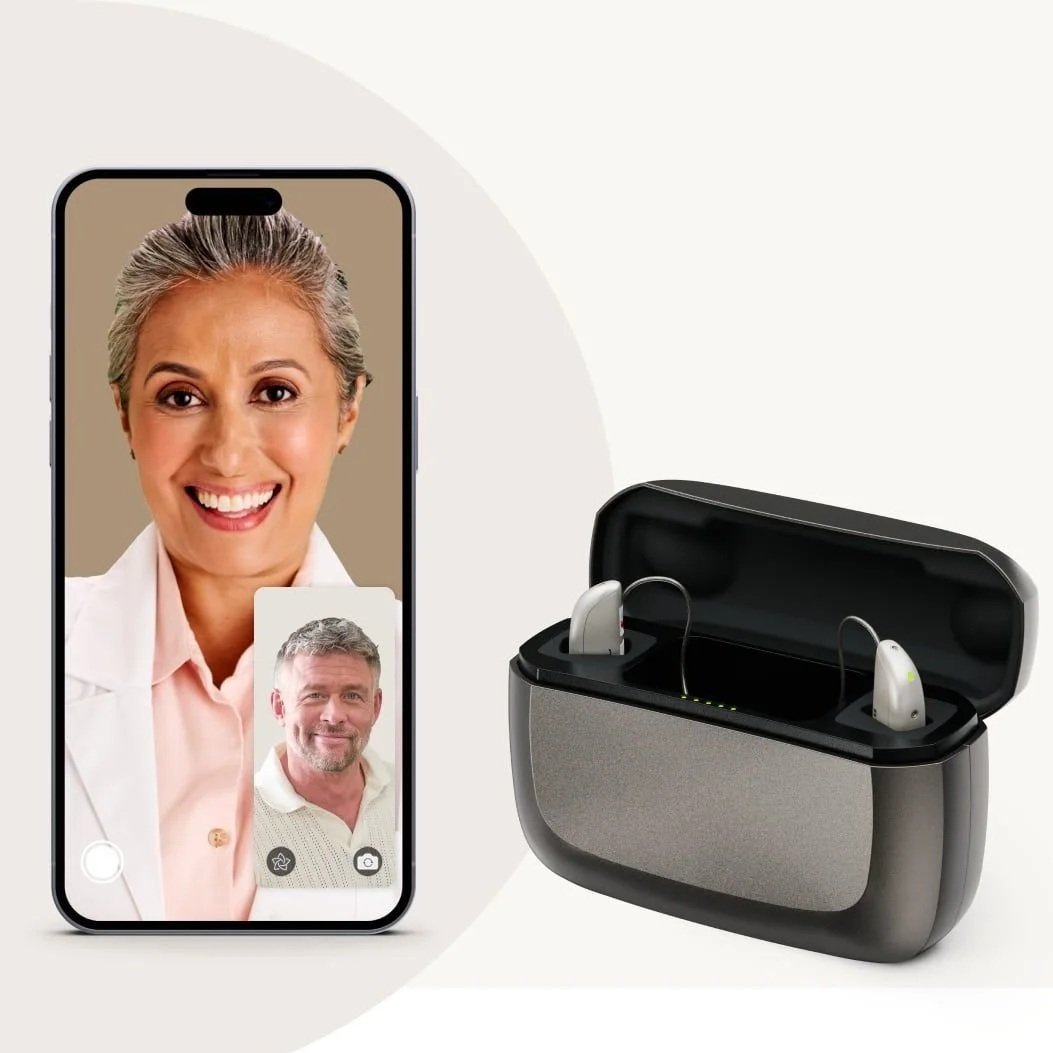
JABRA Enhance Select 700
Staying in the Loop Without Learning a New Gadget
Connection is the other quiet thing these gifts are really about, and it has two halves.
The first half is photos coming to him. My dad has the Loop digital frame, and here's the part nobody warns you about. The moment the family discovers they can text pictures straight to Grandpa's kitchen counter or end table next to his recliner, the man gets absolutely buried in photos of his grandkids. No app, no passwords, no instructions he'll refuse to read. He loves every single one. That is the point. It runs around $160. If you're shopping fresh, the Aura Carver or Aura Aspen is the other top choice, beloved for how genuinely foolproof it is ($149 to $229). Either one turns his counter into a slideshow that updates itself while he's not looking.
The second half is him seeing you back. That's where a smart display earns its keep. An Amazon Echo Show 8 lets him make and answer video calls hands-free. He just says, "Alexa, call my daughter," which is a gift for anyone whose fingers have stopped cooperating with tiny buttons. There's no monthly fee for the calling, it doubles as a photo frame and a clock, and the family just needs the free Alexa app to ring him. Set it up once and then get out of the way.
SHOPPING LINKS
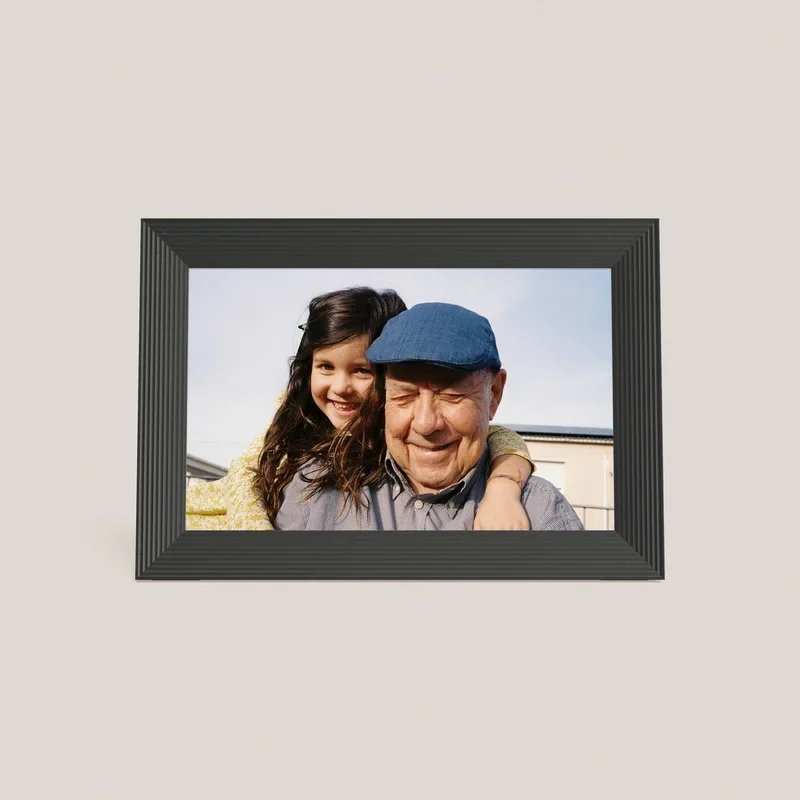
AURA CARVER / ASPEN
The Little Radio That Means More Than It Looks
Don't overthink this one. A compact AM/FM pocket radio with an earphone jack, from Emerson, PRUNUS, or XHDATA, costs $20 to $50 and gives him the ballgame in his coat pocket, at his own volume, bothering exactly no one. There is something deeply, stubbornly satisfying about a man, a radio, and a game he could have just watched on TV, and the headphone jack quietly solves the hearing piece while it's at it. Small gift, surprising amount of joy.
SHOPPING LINK
(Category pick — Emerson, PRUNUS, XHDATA. No single official page; easiest as an Amazon link.)
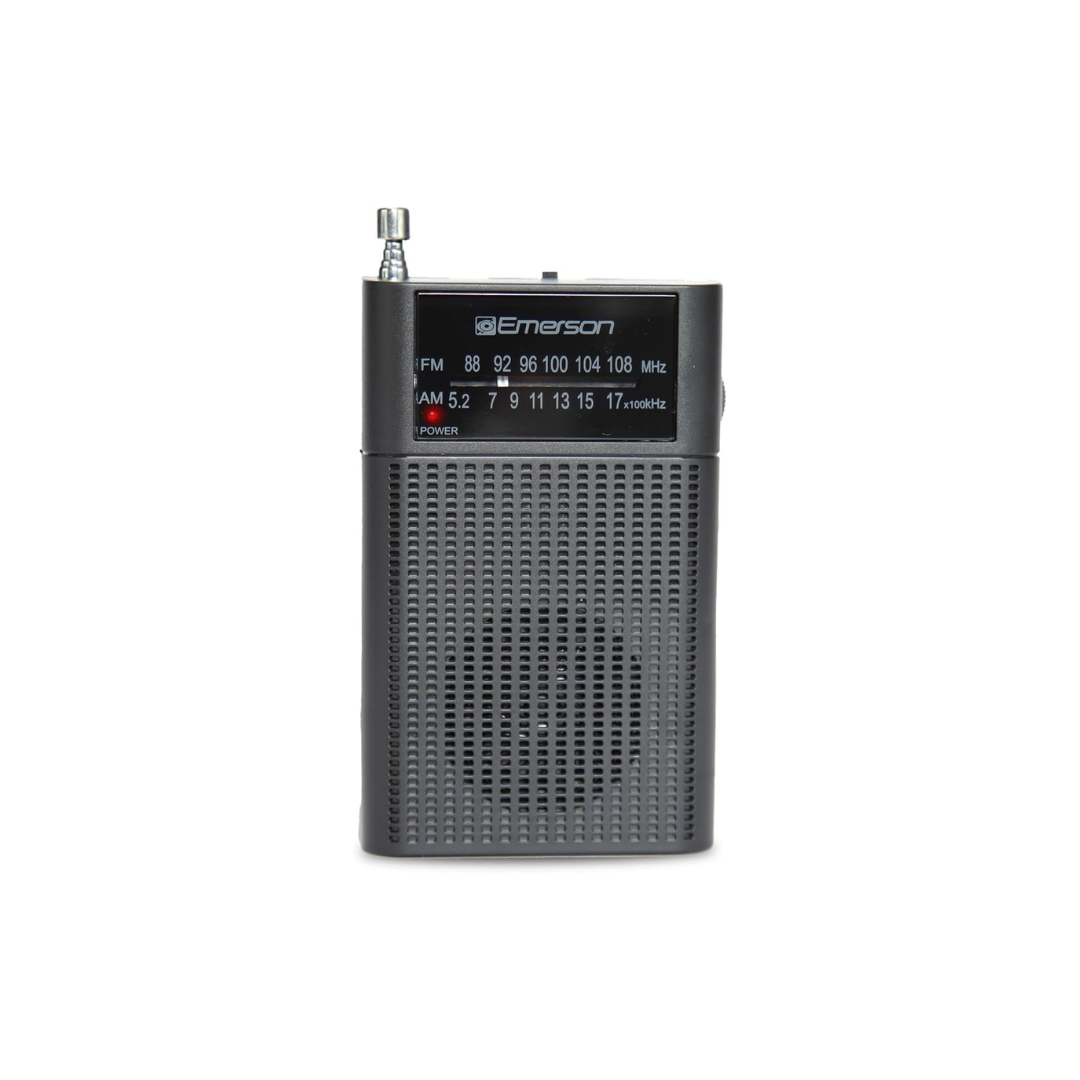
EMERSON
Eyes That Trust the Ground
A lot of what we call clumsiness as we age isn't clumsiness at all. It's glare and lost contrast, a brain doing its best with bad lighting and a curb it can't quite read. Good sunglasses are a stealth fall-prevention tool, wearing a disguise.
Look for polarized lenses to cut glare from pavement, and a high-contrast tint (amber, copper, or brown) to sharpen depth perception. Maui Jim and Costa are the gold standard for clarity. Serengeti adds photochromic lenses that adjust as the light shifts, and Cocoons fit-over styles in an amber tint are the answer if he already wears prescription glasses and isn't about to stop ($50 to $250 and up). When he can read the curb and the step, he walks like himself again.
SHOPPING LINKS:

MAUI JIM
Find-It-Fast Tech for Keys, Wallet, and Peace of Mind
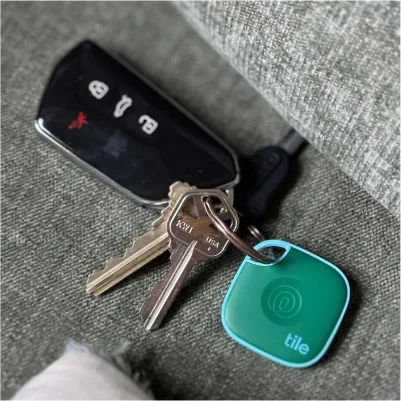
Every family runs the same daily archaeological dig. Where are his keys? Where's his wallet? Did he leave his glasses in the car again? An Apple AirTag (about $29) or a Tile clips onto all of it and lets him, or you, from across town, make it ring. Small, cheap, and it ends a frustration that has repeated itself for approximately forever.
One honest note, because this is my world. If your family is managing real memory concerns, an AirTag is not a safety device. It has no SOS button, no geofence alerts, and no real-time tracking. There are dedicated GPS wearables that do all of that and will alert you the moment someone leaves a safe zone. Just know going in that real-time tracking runs on a cellular service plan, so it's a different category with a recurring cost rather than a one-and-done gift. Match the tool to the actual need, and don't let a cheap tracker pretend to be one doing a much bigger job.
SHOPPING LINKS:
TILE
For the Man Who Still Golfs (Yes, CES Had Something Here)
You asked, so I looked, and golf did turn up at CES this year, right alongside all the aging tech. Here's why it belongs in a guide like this. Golf is, when you strip away the scorecard, a four-hour walk in the sun with his friends that he's tricked himself into taking on purpose. That's not a hobby. That's medicine in khaki shorts. Anything that keeps him playing a few more seasons is doing real work.
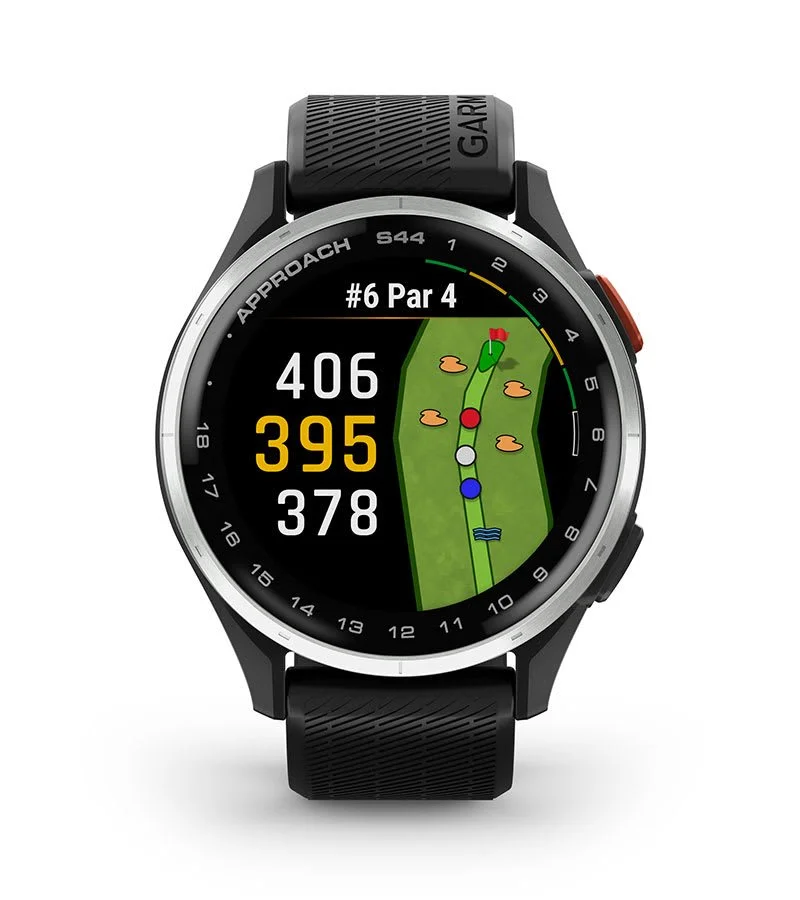
A couple of things stood out. SGLab's G-Grip Pro was a CES 2026 highlight, a smart club grip with sensors and AI built right into it, feeding back real-time swing data without strapping a single thing to his body. And separate from the show, golf tech has finally produced gear that doesn't demand a computer science degree. The Shot Scope LM1 is a launch monitor at around $200, a fraction of what these used to cost, that reads his ball and club speed and distances with no monthly fee. For on-course help, a simple handheld GPS like the Garmin Approach line gives him clean yardages at a glance, far kinder to aging eyes than squinting a laser rangefinder at a flag he can barely see.
One caution that fits the rest of this list. Some of the popular shot trackers only unlock the good data if you pay a recurring membership fee. If he's the type who'd resent a monthly bill on principle (and he is), steer toward the no-subscription options above.
SHOPPING LINKS:
GARMIN
The Quiet Helpers
A few more that consistently land, depending on the man.
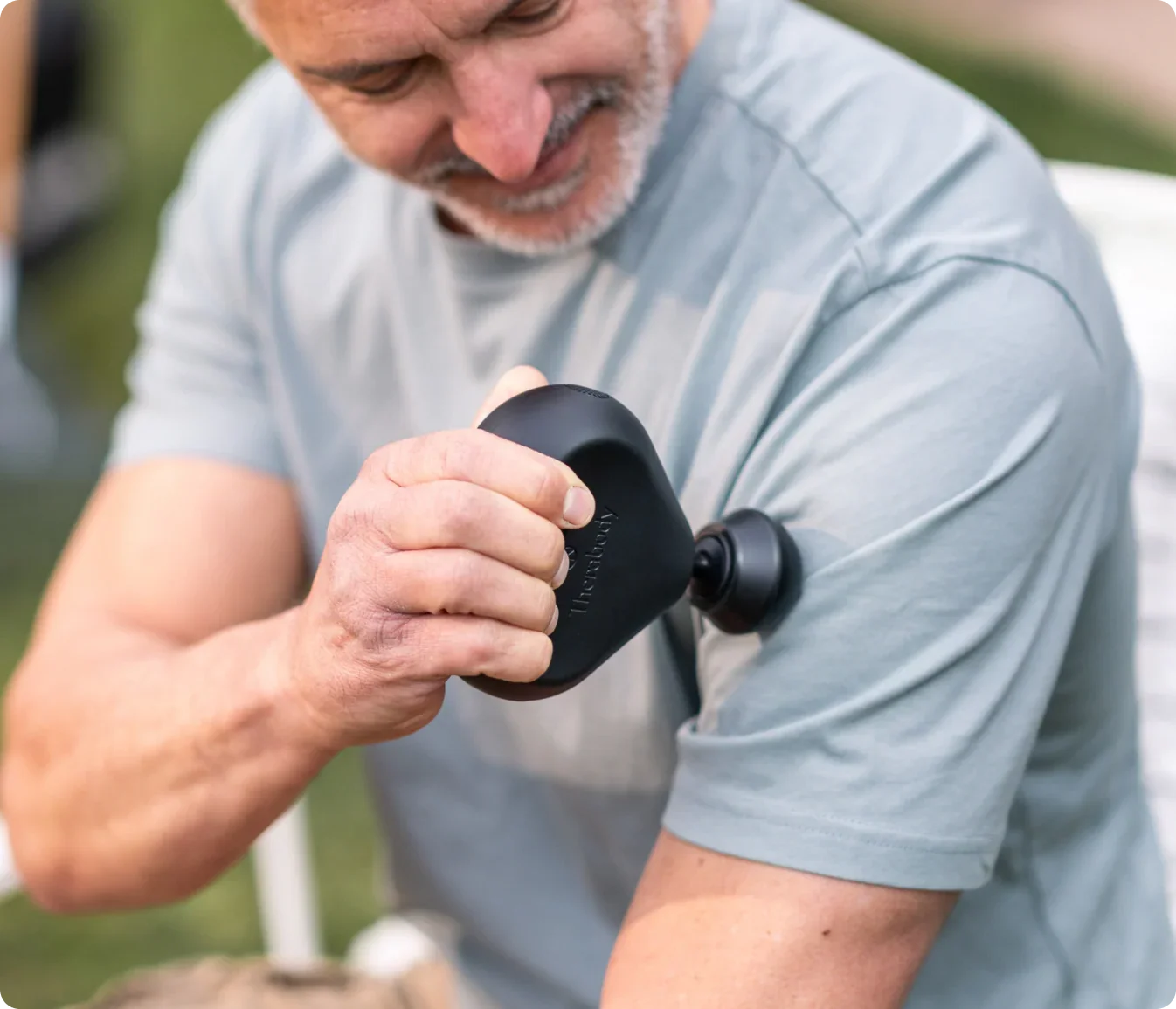
A Theragun Mini is good for self-managing the aches that come with the territory, is easy to hold, and is easy to use ($180 to $200).
An Apple Watch SE with automatic fall detection and Emergency SOS suits the independent man who lives alone and intends to keep living alone, thank you very much ($200 and up). The appeal of a traditional medical alert system is that the safety features are built right in with no monthly monitoring contract, so it's independence insurance rather than surveillance, and that is exactly how to frame it when you hand it over.
An automatic pill dispenser with alarms helps once the medications have multiplied, sorting and reminding him so he doesn't have to keep the schedule in his head. Skip the ones that quietly lock you into a monthly membership, because there are solid one-time-purchase models that do the job for a flat price ($60 to $150).
And motion-sensor or smart lighting for the path to the bathroom at 2 a.m., which is precisely where so many night falls happen, is the cheapest gift on the whole list and one of the most protective ($15 to $50).
SHOPPING LINKS:
(Automatic pill dispenser and motion/smart lighting are category picks, not single products.)
THERAGUN
His Stories, in His Own Words
I'll end with the one that matters most to me, because it's the only gift here he can't outgrow, wear out, or lose down the side of the couch.
Somewhere in your father is a whole life you've only ever heard in pieces. The job he took at seventeen. How he actually met your mother, not the version he tells at parties. The thing his own dad always said. Most of us mean to get it all down someday. Someday has a way of running out without asking permission. The hardest sentence I hear from families starts with "I wish I'd recorded his voice while I still had the chance."
So record it now, while he's right there at the table to ask. A service like Kindred Tales sends him one gentle question a week, like what was your first job, or tell me about your best friend growing up, an” and he answers however feels natural: typing, talking into the phone, or just rambling into a recording that gets transcribed for him. Photos get woven in alongside the stories. At the end, it's all bound into a real hardcover book, up to 400 pages, in his own words. It's a one-time purchase of around $99 with no subscription hanging over it, so you own the book and his stories outright, and you can order more copies for the rest of the family later.
This is the gift that turns up at his great-grandchild's wedding someday, long after the shoes have worn out and the radio's gone quiet. The footing and the hearing keep him here with you now. This one keeps him with you always.
SHOPPING LINKS:

KINDREADS
The Gift Underneath the Gift
Strip away the brands and the prices, and every item on this list is really one of three things: freedom, connection, or dignity. A man who can hear the conversation, see his grandkids' faces, walk in without grabbing for the wall, and find his own keys is a man who still gets to be the head of the table, not a project to be managed from across it.
That's the real gift. The shoes and the hearing aids are just how it gets wrapped.
This year, I'll be buying for my own stubborn, neuropathy-having, photo-buried dad, and I'll be picking from this exact list. Happy Father's Day to the men we're nowhere near ready to slow down.